A Collaborative Article by Pro Vita Physical Therapy and Adiva’s Ageless Aesthetics Spa
If you’ve ever dealt with chronic back pain, tight shoulders, or an injury that just won’t fully heal, you know how frustrating recovery can be.
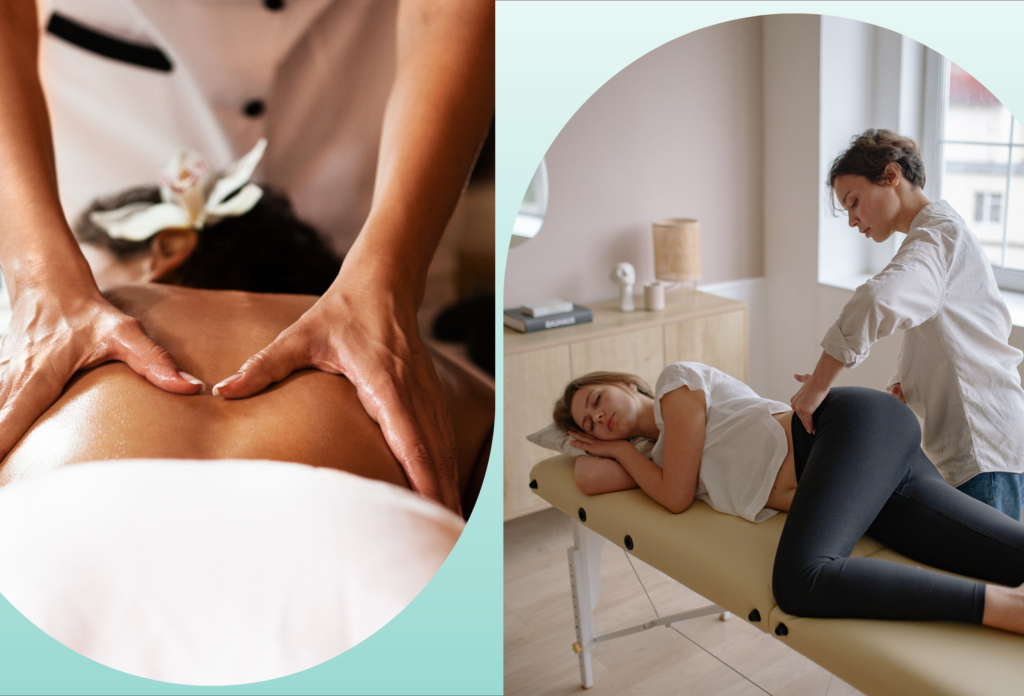
Many people try one treatment at a time, but modern rehabilitation is increasingly showing that combining therapies—like physical therapy and massage therapy—can improve recovery, reduce pain, and restore movement more effectively.
Many patients in our community are discovering that combining massage therapy and physical therapy can make recovery more comfortable and effective.
Musculoskeletal pain is one of the leading causes of disability worldwide, affecting more than 1.5 billion people. Conditions such as chronic back pain, neck tension, sports injuries, and mobility limitations significantly impact quality of life and daily function.
While traditional treatment approaches often focus on a single method of care, modern rehabilitation increasingly supports integrative rehabilitation models—combining multiple therapies to improve recovery outcomes.
One powerful combination is massage therapy and physical therapy.
When used together, these therapies address both the root causes of movement dysfunction and the muscular tension that contributes to pain, creating a more comprehensive approach to recovery and long-term wellness.
This article explores the science behind combining massage therapy with physical therapy, how it benefits recovery, and why integrative rehabilitation is becoming an important part of modern musculoskeletal care.
Understanding the Difference Between Massage Therapy and Physical Therapy
Although massage therapy and physical therapy are often used for similar conditions, they serve different but complementary roles in recovery.
Physical Therapy: Restoring Movement and Function
Physical therapy focuses on improving the body’s biomechanics, strength, and functional movement patterns.
Through detailed assessments and targeted treatment programs, physical therapists address the underlying causes of pain or injury, rather than just the symptoms.
Common physical therapy treatments include:
- Therapeutic exercise programs
- Mobility and flexibility training
- Manual therapy techniques
- Neuromuscular re-education
- Injury prevention strategies
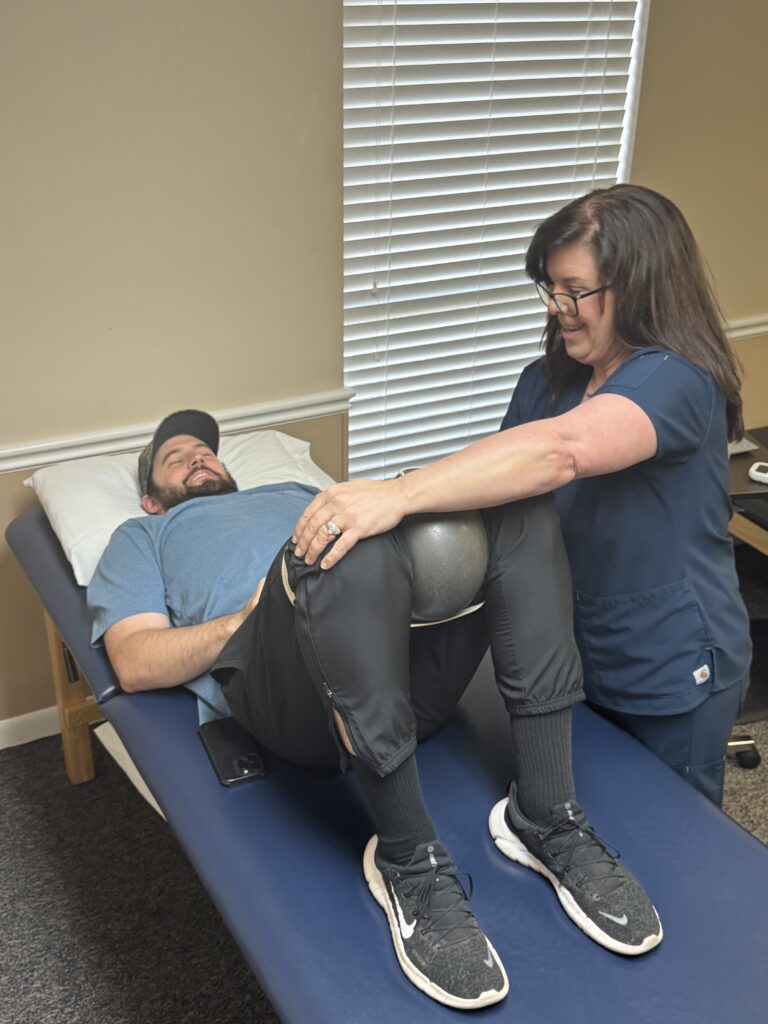
Research consistently shows that exercise-based rehabilitation is one of the most effective treatments for chronic musculoskeletal pain, including lower back pain, osteoarthritis, and tendon injuries.
Physical therapy is essential for helping individuals restore movement, build strength, and prevent future injury.
Massage Therapy: Supporting Muscle Recovery and Relaxation
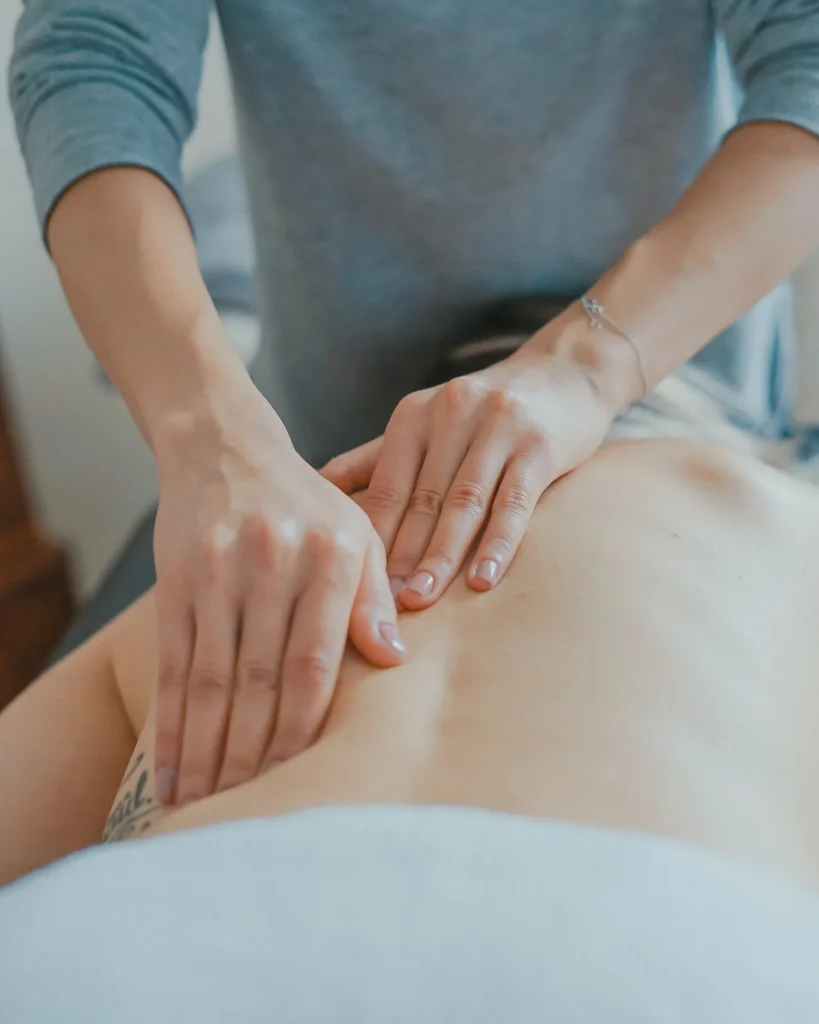
Massage therapy focuses on the soft tissues of the body, including muscles, fascia, and connective tissues.
Through hands-on techniques such as Swedish massage, deep tissue therapy, and myofascial release, massage therapy helps:
- Reduce muscle tension and stiffness
- Improve circulation and tissue oxygenation
- Promote relaxation and stress relief
- Reduce inflammation and pain
- Improve flexibility and mobility
Recent systematic reviews show that massage therapy can significantly reduce pain and improve well-being in individuals with musculoskeletal conditions.
Because muscle tension often limits movement and contributes to pain, massage therapy can prepare the body to respond more effectively to rehabilitation exercises.
Why Combining Massage Therapy and Physical Therapy Works
Individually, both therapies are beneficial. But when combined, they can create synergistic therapeutic effects that improve recovery outcomes.
Research shows that integrative treatment approaches combining manual therapy and exercise rehabilitation often produce better results than single-modality treatments.
Here are several reasons why.
-
Massage Therapy Prepares the Body for Physical Therapy
One of the biggest barriers to successful rehabilitation is muscle tension and restricted soft tissue mobility.
When muscles are tight or guarded due to pain, performing therapeutic exercises can be difficult.
Massage therapy helps by:
- Relaxing tight muscles
- Improving fascial mobility
- Increasing joint range of motion
- Reducing pain sensitivity
When tissues are more relaxed and mobile, patients can perform physical therapy exercises more comfortably and effectively.
-
Integrative Rehabilitation Improves Circulation and Healing
Healing requires proper circulation to deliver oxygen and nutrients to injured tissues.
Massage therapy stimulates circulation through mechanical pressure on soft tissues, while physical therapy increases circulation through active movement and muscle contraction.
Together, these therapies may help:
- Accelerate tissue repair
- Reduce inflammation
- Improve nutrient delivery to injured muscles and joints
This combination is especially beneficial for individuals recovering from:
- Sports injuries
- Muscle strains
- Post-surgical rehabilitation
- Chronic musculoskeletal pain
-
Better Pain Management Without Over-Reliance on Medication
Pain can prevent patients from fully participating in rehabilitation.
Massage therapy helps regulate the body’s nervous system response to pain, activating the parasympathetic nervous system and promoting relaxation.
Studies show massage therapy can reduce neck and shoulder pain in individuals with work-related musculoskeletal disorders, including office workers who experience prolonged sitting and postural strain.
By reducing pain and muscle tension, massage therapy allows patients to engage more effectively in physical therapy exercises, which are critical for long-lasting recovery.
-
Faster Recovery for Active Individuals and Athletes
Athletes and active individuals often benefit from the combined use of massage therapy and physical therapy.
Massage therapy can help:
- Reduce delayed onset muscle soreness (DOMS)
- Improve muscle flexibility
- Promote recovery between training sessions
Physical therapy complements this by restoring strength, mobility, and movement mechanics, helping athletes safely return to sport and reduce the risk of re-injury.
What Patients Often Notice When Combining These Therapies
Patients who combine massage therapy with physical therapy often report:
- Less muscle stiffness during rehabilitation
- Improved flexibility and mobility
- Faster recovery after injury or exercise
- Reduced stress and muscle tension
- Better overall movement and comfort
The Growing Role of Integrative Rehabilitation
Healthcare is increasingly shifting toward holistic and multidisciplinary care models.
Rather than relying on a single treatment method, many rehabilitation programs now combine therapies such as:
- Physical therapy
- Massage therapy
- Exercise rehabilitation
- Stress management and recovery techniques
This integrative approach supports long-term musculoskeletal health, improves patient outcomes, and reduces reliance on medication for pain management.
A Collaborative Approach to Recovery
At Pro Vita Physical Therapy, treatment focuses on restoring movement, improving strength, and addressing the root causes of injury or pain.
At Adiva’s Ageless Aesthetics Spa, therapeutic massage treatments support recovery by reducing muscle tension, promoting relaxation, and improving circulation.
When these two approaches work together, patients can benefit from a comprehensive recovery strategy that supports both the body’s structural health and muscular recovery.
This collaborative approach reflects the future of healthcare—one where movement science and therapeutic wellness practices work together to support better outcomes.


Start Your Recovery Journey
When physical therapy and massage therapy work together, recovery becomes more comprehensive—addressing both movement mechanics and muscular tension.
This collaborative approach can help patients move better, recover more comfortably, and support long-term musculoskeletal health.
Recovery is rarely about one treatment alone. The most effective healing often happens when multiple therapies work together.
If you are experiencing muscle tension, chronic pain, or recovering from injury, combining massage therapy and physical therapy may help you move, feel, and function better.
Book a Therapeutic Massage at Adiva’s Ageless Aesthetics Spa
Relax your muscles, improve circulation, and support recovery with professional therapeutic massage treatments.
Learn more:
https://www.adivaspa.com
Begin Your Physical Therapy Journey at Pro Vita
Restore movement, build strength, and address the root causes of pain with personalized physical therapy.
Learn more:
https://provitapt.com
Together, massage therapy and physical therapy can help you recover smarter, move better, and live healthier.
References
- Mak S, et al. (2024). Use of Massage Therapy for Pain, 2018–2023: Systematic Review. JAMA Network Open.
- Ladanyi S. (2025). Prevalence of Massage Therapy Utilization for Musculoskeletal Conditions. PMC. de la Barra Ortiz HA, et al. (2024).
- Effectiveness of Combined Therapy in Physical Therapy for Musculoskeletal Pain. Physiotherapy Quarterly.
Dewantara J. (2024).
- Massage Therapy Combined with Heat Therapy on Shoulder Range of Motion.
Chu H, et al. (2023).
- Massage Therapy for Neck and Shoulder Pain in Office Workers. Heliyon.
Navarro-Ledesma S, et al. (2024).
- Physical Therapy Interventions for Chronic Musculoskeletal Pain.
Mathunjwa ML, et al. (2025).
- Impact of Massage Therapy on Athletic Recovery. International Journal of Environmental Research and Public Health.
- Mao JJ. (2026). Integrative Medicine Approaches for Pain Management.
