
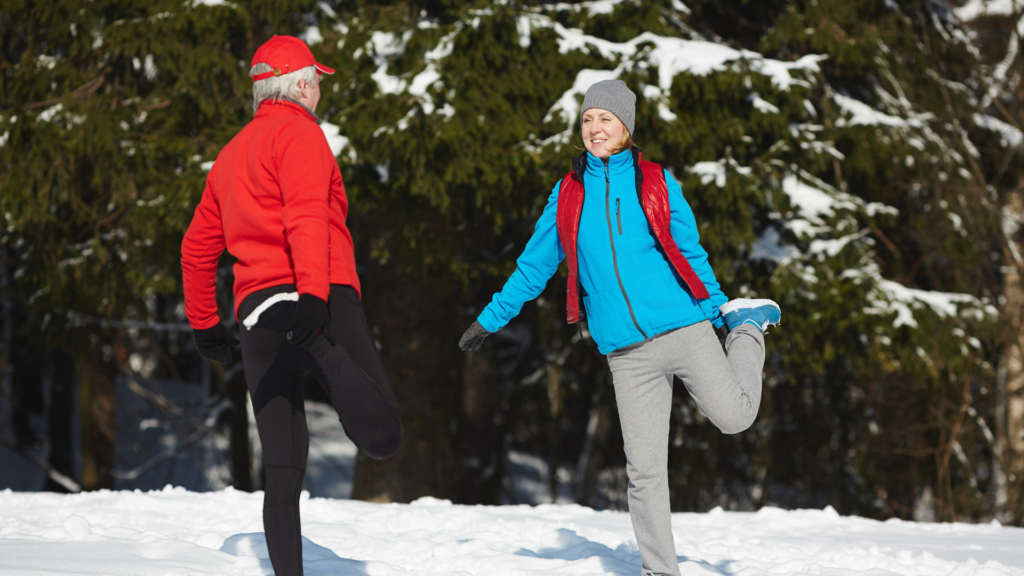
Holiday aches and pains can sneak up on you during the busiest time of the year. Between decorating, preparing meals, shopping, and attending family gatherings, your body may be working harder than usual. These extra activities can leave you dealing with muscle soreness, stiff joints, and fatigue when you’d rather be enjoying the season.
Have you ever finished a day of holiday preparations with an aching back, stiff shoulders, or tired knees? You’re certainly not alone.
At Pro Vita Physical Therapy, we believe you should be able to enjoy the season while feeling comfortable and confident in your movement. Here are seven practical ways to help reduce unnecessary strain, manage stiffness, and keep moving throughout the holidays.
Why Do Holiday Aches and Pains Become More Noticeable?
Many holiday traditions involve movements we don’t necessarily perform every day.
Think about lifting storage bins from the garage, reaching overhead to hang decorations, spending hours preparing meals, or walking through crowded stores.
These activities can place unfamiliar demands on your muscles and joints, particularly when performed repeatedly or without adequate rest.
According to a 2024 article from Northside Hospital, holiday activities such as decorating, shopping, and carrying gifts can contribute to back strain and fall risks. [1]
Other factors that may contribute to discomfort include reduced exercise, prolonged sitting, stress, and insufficient recovery time.
The good news? A few adjustments to your routine can help you stay active and make holiday activities more manageable.
1 Warm Up Before Holiday Decorating
Decorating your home may not feel like exercise, but your muscles might disagree!
Putting up a Christmas tree, carrying boxes, reaching for ornaments, and hanging lights can involve repeated lifting, bending, and stretching.
Before you begin, take five minutes to prepare your body. Try walking around your home, gently rolling your shoulders, marching in place, or moving your arms through a comfortable range of motion.
A 2025 University of Alabama at Birmingham article recommends warming up before decorating and taking precautions with lifting, reaching, and ladder use. [2]
Divide decorating into smaller tasks instead of trying to finish everything in one afternoon. Take breaks, and ask for help with heavy or awkward items.
2 Be Mindful of How You Lift and Carry
From holiday gifts to grocery bags and storage containers, the season often involves more lifting than usual.
Poorly controlled movements or attempting to carry more than you can comfortably manage may increase the risk of muscle strain.
When lifting:
- Position yourself close to the object.
- Bend at your hips and knees as appropriate.
- Keep the item close to your body.
- Avoid twisting while carrying something heavy.
- Ask for assistance when an item feels too heavy or awkward.
There’s no single perfect lifting posture for every person or situation. The goal is to use a comfortable, controlled movement strategy that suits the task and your abilities.
Make multiple trips with lighter loads rather than carrying everything at once. Planning ahead and lifting comfortably can help reduce holiday aches and pains during decorating and shopping.
3 Give Your Back a Break During Holiday Cooking
Holiday cooking can mean hours of standing, chopping, stirring, washing dishes, and preparing meals.
Staying in one position for an extended period may leave your lower back, neck, and shoulders feeling stiff or fatigued.
Instead of pushing through discomfort, change positions regularly.
You can alternate between standing and sitting when practical, adjust your work surface, and take short walking breaks between cooking tasks.
Keep frequently used ingredients and utensils within easy reach to reduce unnecessary bending and stretching. Taking short breaks can also help you manage holiday aches and pains during long days in the kitchen.

4 Keep Moving, Even When Your Schedule Gets Busy
Between holiday gatherings, shopping, family commitments, and year-end responsibilities, it’s easy for your normal exercise routine to take a back seat.
However, movement remains important for maintaining strength, mobility, and overall health.
The Centers for Disease Control and Prevention emphasizes that some physical activity is better than none, and even small amounts can provide health benefits. [3]
You don’t need an elaborate workout to stay active. Consider taking a short walk after a meal, doing gentle mobility exercises in the morning, or fitting in a few minutes of movement between holiday activities.
For adults who can safely meet them, CDC activity recommendations include 150 minutes of moderate-intensity aerobic activity each week and muscle-strengthening activities on at least two days.
Focus on consistency rather than perfection. A short walk or a few minutes of comfortable movement still counts, especially when holiday aches and pains make a busy schedule feel more demanding.
5 Reduce Holiday Stiffness by Changing Positions Regularly
Holiday movie marathons, family dinners, long conversations, and travel can all involve extended periods of sitting.
If you’ve ever stood up after sitting for a few hours and felt unusually stiff, you know how uncomfortable that can be.
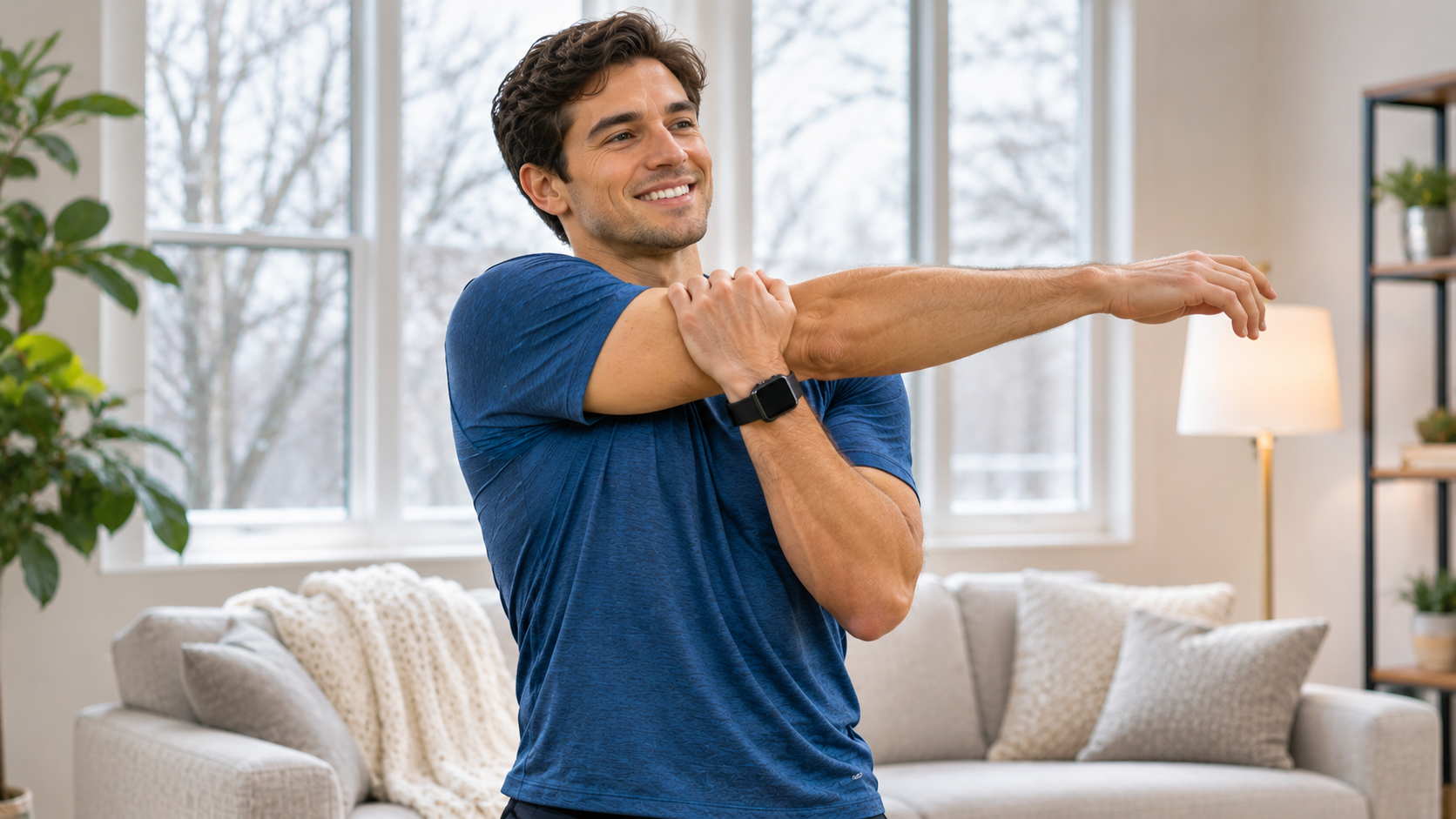
Try changing positions regularly throughout the day. Stand up, walk around, gently stretch, or move your ankles and knees through a comfortable range of motion.
If you’re hosting a gathering, use natural breaks between activities to move around rather than remaining seated for the entire event.
You don’t need to follow a rigid schedule. Listen to your body and change positions before discomfort becomes distracting. Regular movement can help you manage holiday aches and pains without disrupting your celebrations.
6 Pay Attention to Your Balance and Surroundings
Holiday decorations can make a home feel festive, but extra cords, boxes, rugs, and crowded spaces may create tripping hazards.
This is especially important for older adults or individuals already experiencing balance difficulties.
Keep walkways clear, ensure rooms are adequately lit, wear stable footwear, and use appropriate equipment when reaching for decorations.
Avoid standing on chairs or unstable surfaces to hang lights or ornaments.
A 2025 Hospital for Special Surgery article highlights the importance of safe movement and injury prevention during holiday decorating, including precautions with ladders and overhead activities. [4]
If you frequently feel unsteady, avoid tasks that require climbing or balancing on elevated surfaces. Ask someone else to handle them. Simple balance and safety precautions can help you stay confident and comfortable throughout the holiday season.
7 When Holiday Aches and Pains Keep Coming Back
Occasional muscle soreness after an unusually busy day can happen. However, pain that repeatedly returns, worsens, or interferes with your daily activities deserves attention.
You might notice that:
- Your lower back aches whenever you stand for extended periods.
- Your knees become uncomfortable after shopping or walking.
- Your shoulders hurt when reaching overhead.
- You feel increasingly stiff when getting up from a chair.
- You’re avoiding activities because you’re worried about pain or balance.
These symptoms don’t necessarily mean something serious is wrong, but they may indicate that a professional evaluation would be helpful.
Research published in Sports Medicine in 2024 found that exercise interventions can improve physical function and quality of life in people with musculoskeletal pain, although the most effective exercise approach varies by individual. [5]
Physical therapy can help identify movement limitations, assess strength and mobility, and develop a treatment plan suited to your needs.
Seek prompt medical attention for severe pain after an injury, inability to bear weight, new significant weakness, or other concerning symptoms.
How Physical Therapy Can Help You Stay Active During the Holidays
Physical therapy isn’t only for recovering after surgery or a major injury.
It can also help people address persistent discomfort, improve mobility, develop strength, and work toward moving more confidently during everyday activities.
At Pro Vita Physical Therapy, our team focuses on understanding your concerns and creating an individualized approach to your recovery and movement goals.
Depending on your needs, your physical therapist may recommend therapeutic exercises, mobility training, strengthening activities, balance exercises, or strategies for managing daily tasks.
The goal isn’t simply to get through the holiday season. It’s to help you build movement habits that support your well-being beyond the celebrations.
Enjoy the Holidays Without Letting Aches and Stiffness Take Center Stage
The holidays should be filled with meaningful moments, not constant worry about your back, knees, or shoulders. If holiday aches and pains are getting in the way, small changes to your routine may help.
By warming up before demanding activities, lifting thoughtfully, taking movement breaks, and recognizing when your body needs rest, you can make the season more comfortable.
And if pain or stiffness continues to interfere with the things you enjoy, you don’t have to figure it out on your own.
Pro Vita Physical Therapy is here to help you keep moving toward what matters.
Don’t Let Aches and Stiffness Hold You Back
With clinics in Crestview, Navarre, Fort Walton Beach, Florida, and Florala, Alabama, Pro Vita Physical Therapy is here to support your movement and recovery goals.
Request an Appointment →References
- Northside Hospital. (2024). Tips for Avoiding Back Pain and Falls During the Holidays. View Source
- University of Alabama at Birmingham. (2025). How to Prevent Injuries During Holiday Decorating. View Source
- Centers for Disease Control and Prevention. (2024). Tips for Getting More Physically Active Minutes. View Source
- Hospital for Special Surgery. (2025). Holiday Safety Tips: How to Deck Your Halls the Right Way. View Source
- Arora, N. K., et al. (2024). The Impact of Exercise Prescription Variables on Intervention Outcomes in Musculoskeletal Pain: An Umbrella Review of Systematic Reviews. Sports Medicine, 54, 711–725. View Research
