
Helping You Move Better, Recover Faster, and Stay Active
Most people think physical therapy is only for recovering from surgery or a serious injury. Others believe they should wait until the pain becomes unbearable before seeking help.
The truth is, seeing a physical therapist early can often prevent small problems from becoming bigger ones.
Pain is only one reason to visit a physical therapist. Difficulty moving, recurring injuries, balance problems, weakness, or even avoiding activities you enjoy may all be signs that your body isn’t moving as efficiently as it should.
At Pro Vita Physical Therapy, we believe movement is medicine. Our goal isn’t simply to reduce pain, it’s to identify the factors contributing to your symptoms, restore healthy movement, and help you return to the activities that matter most.
If you’ve been wondering whether it’s time to schedule a physical therapy evaluation, here are 10 signs you shouldn’t ignore.
What Does a Physical Therapist Do?
A physical therapist is a movement expert trained to evaluate how your body moves, identify factors contributing to pain or dysfunction, and develop an individualized treatment plan to improve mobility, strength, flexibility, balance, and overall function.
Rather than masking symptoms, physical therapy focuses on addressing the underlying movement impairments that contribute to pain or injury. Evidence-based clinical practice guidelines support physical therapy as an effective first-line treatment for many musculoskeletal conditions and emphasize individualized assessment and active rehabilitation.
1. Your Pain Has Lasted More Than a Few Days
Occasional soreness after exercise or physical activity is normal.
Pain that lingers for several days, or continues to worsen, is not.
Persistent pain often indicates that tissues aren’t healing properly or that movement patterns are placing excessive stress on a joint or muscle.
Instead of simply waiting it out, a physical therapist can evaluate what’s causing the problem and recommend strategies to help you recover safely.
2. The Same Pain Keeps Coming Back
Does your back hurt every few months?
Does your shoulder flare up every time you play tennis?
Do your knees ache every time you start running again?
Recurring pain usually means the underlying issue hasn’t been addressed.
Temporary symptom relief is helpful, but long-term improvement comes from identifying why the pain keeps returning.
Physical therapy focuses on correcting movement deficits, improving strength, restoring mobility, and reducing the likelihood of future flare-ups.
3. You’re Losing Mobility
Have you noticed you can’t:
- Reach overhead comfortably?
- Bend down to tie your shoes?
- Turn your head while driving?
- Squat without discomfort?
- Walk as far as you used to?
Loss of mobility often develops gradually, making it easy to overlook.
Improving joint mobility and movement quality early may help prevent additional compensation patterns and unnecessary strain elsewhere in the body.
4. You’re Recovering From Surgery
Physical therapy plays an important role after many surgical procedures, including:
- Total knee replacement
- Total hip replacement
- Rotator cuff repair
- ACL reconstruction
- Spine surgery
- Fracture repair
Rehabilitation focuses on restoring:
- Range of motion
- Strength
- Balance
- Walking mechanics
- Confidence
- Functional independence
Following an individualized rehabilitation plan can help patients return safely to everyday activities and recreational pursuits.
5. Your Balance Doesn’t Feel the Same
Have you started feeling:
- Unsteady while walking?
- Dizzy when turning your head?
- Nervous going up or down stairs?
- Afraid of falling?
Balance problems aren’t just a concern for older adults.
Inner ear disorders, neurological conditions, previous injuries, and muscle weakness can all affect balance.
Physical therapists evaluate the systems responsible for balance and develop targeted exercises to improve stability and reduce fall risk.

6. Exercise or Sports Always Cause Pain
Exercise shouldn’t consistently leave you in pain.
If every run causes knee pain…
If every pickleball match irritates your shoulder…
If lifting weights consistently hurts your back…
Your body may be compensating for weakness, poor mobility, or inefficient movement patterns.
Clinical practice guidelines increasingly emphasize movement assessment, progressive exercise, and individualized rehabilitation for active individuals with musculoskeletal conditions.
7. You’re Avoiding Activities You Love
Pain doesn’t just affect your body.
It affects your life.
Many people slowly stop doing activities they once enjoyed, including:
- Hiking
- Gardening
- Golf
- Tennis
- Running
- Playing with grandchildren
- Traveling
Avoiding meaningful activities often leads to reduced physical activity, loss of strength, and decreased confidence.
One of the primary goals of physical therapy is helping patients safely return to the activities that give their lives meaning.
8. You’ve Had Previous Injuries
Old injuries don’t always stay in the past.
Even after pain improves, the body may continue moving differently.
Examples include:
- Previous ankle sprains
- Knee injuries
- Shoulder dislocations
- Back injuries
Compensation patterns can increase stress on other joints and muscles over time.
Physical therapy helps identify these movement changes before they contribute to future injuries.
9. You Feel Weak or Unstable
Does your knee feel like it’s giving out?
Does your shoulder feel weak when lifting groceries?
Do your hips feel unstable while walking?
Weakness and instability often indicate deficits in muscle strength, coordination, or neuromuscular control rather than simply aging.
Improving these areas can increase confidence and reduce injury risk.
10. You’re Hoping It Will Just Go Away
Perhaps the most common mistake people make is waiting.
Many musculoskeletal conditions respond better when addressed early.
Ignoring pain may allow:
- Compensation patterns
- Muscle weakness
- Joint stiffness
- Reduced mobility
- Chronic pain
to become more established over time.
Seeking care early doesn’t necessarily mean your condition is severe—it simply means you’re taking a proactive approach to your health.
Why Early Physical Therapy Matters
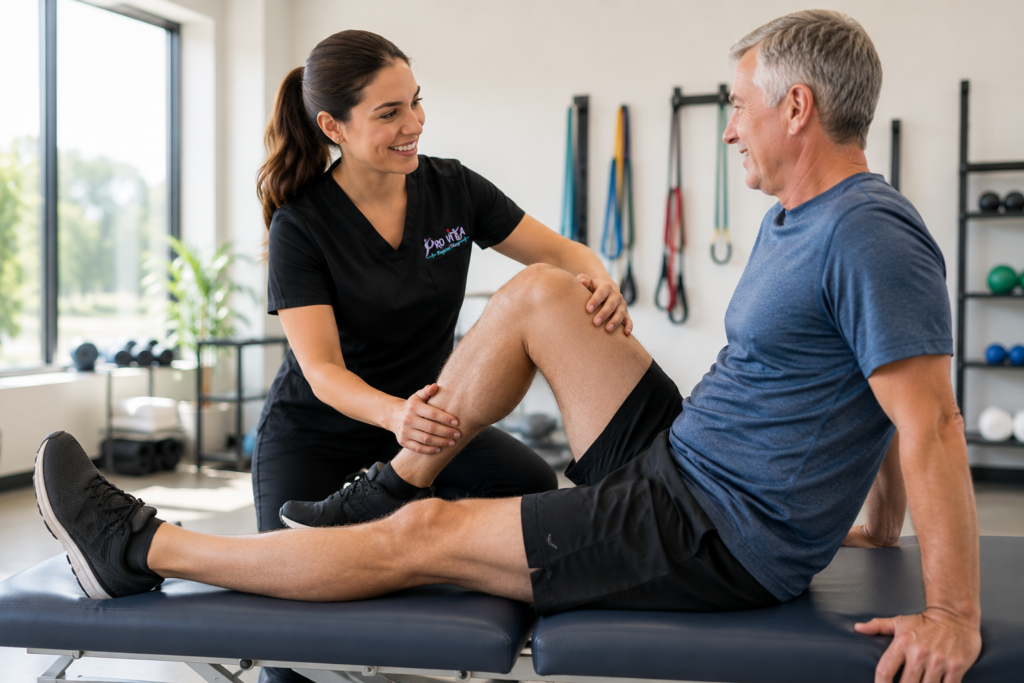
Research consistently supports early conservative management for many musculoskeletal conditions.
Benefits may include:
- Faster recovery
- Improved movement
- Better function
- Reduced pain
- Greater confidence
- Improved quality of life
- Reduced reliance on medications for some conditions
- Better long-term outcomes through individualized rehabilitation
The earlier movement problems are identified and addressed, the more opportunities there may be to improve function, reduce pain, and help prevent small problems from becoming bigger ones.
What Happens During Your First Physical Therapy Visit?
Many patients are surprised by how comprehensive their first evaluation is.
At Pro Vita Physical Therapy, your first visit typically includes:
A Conversation
We’ll discuss:
- Your symptoms
- Medical history
- Goals
- Lifestyle
- Activities that matter most to you
A Movement Assessment
Your therapist evaluates:
- Walking
- Balance
- Mobility
- Flexibility
- Strength
- Posture
- Functional movement
Identifying the Contributing Factors
Instead of focusing only on where it hurts, we evaluate how your entire body moves to identify the factors that may be contributing to your symptoms and movement limitations.
Your Personalized Treatment Plan
No two patients are alike.
Your rehabilitation plan is designed specifically for your goals, condition, and lifestyle.
The Pro Vita Physical Therapy Difference
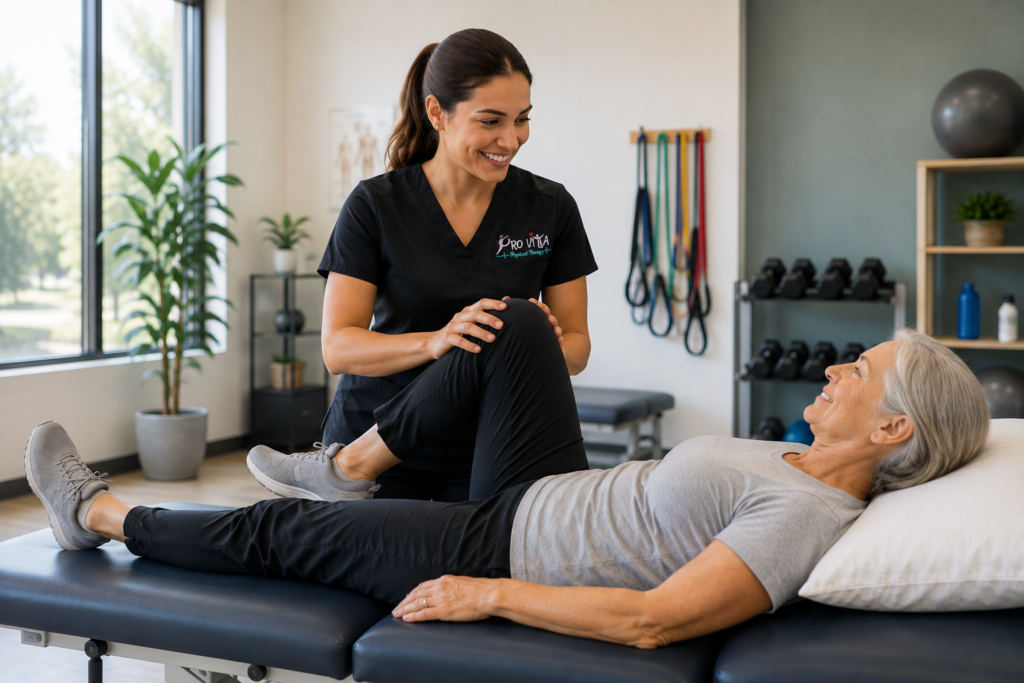
At Pro Vita Physical Therapy, we believe successful rehabilitation goes beyond reducing pain.
Our approach focuses on:
- Individualized care
- Root-cause assessment
- Evidence-based treatment
- Restoring movement quality
- Building strength and resilience
- Preventing future injuries
- Helping patients return to meaningful activities with confidence
Whether you’re recovering from surgery, managing chronic pain, returning to sports, or simply trying to move more comfortably, our team is committed to helping you achieve your goals.
Don’t Wait Until the Pain Gets Worse
Your body often gives subtle warning signs long before a small problem becomes a major one.
If you’re experiencing persistent pain, recurring injuries, limited mobility, balance concerns, or difficulty doing the activities you enjoy, a physical therapy evaluation can help identify what’s contributing to the problem and create a plan for lasting improvement.
Seeking care early isn’t about waiting until something becomes severe—it’s about helping your body move well today so you can continue doing what you love tomorrow.
References (2021–2025)
- American Physical Therapy Association. Patient Care & Clinical Practice Guidelines. Updated 2025.
- American Physical Therapy Association Orthopedics. Published Clinical Practice Guidelines, including Low Back Pain (2021), Ankle Sprains (2021), Hip Pain (2023), ACL Injury Prevention (2023), and other evidence-based rehabilitation guidelines.
- Koc TA Jr, et al. Heel Pain – Plantar Fasciitis: Revision 2023 Clinical Practice Guideline.Journal of Orthopaedic & Sports Physical Therapy. 2023.
- Daley D, et al. Clinical Guidance to Optimize Work Participation After Injury or Illness: The Role of Physical Therapists. Journal of Orthopaedic & Sports Physical Therapy. 2021.
This article is written to be educational and should not replace an evaluation by a qualified healthcare professional. If you have severe pain, sudden weakness, loss of sensation, or symptoms that worsen rapidly, seek immediate medical attention.
